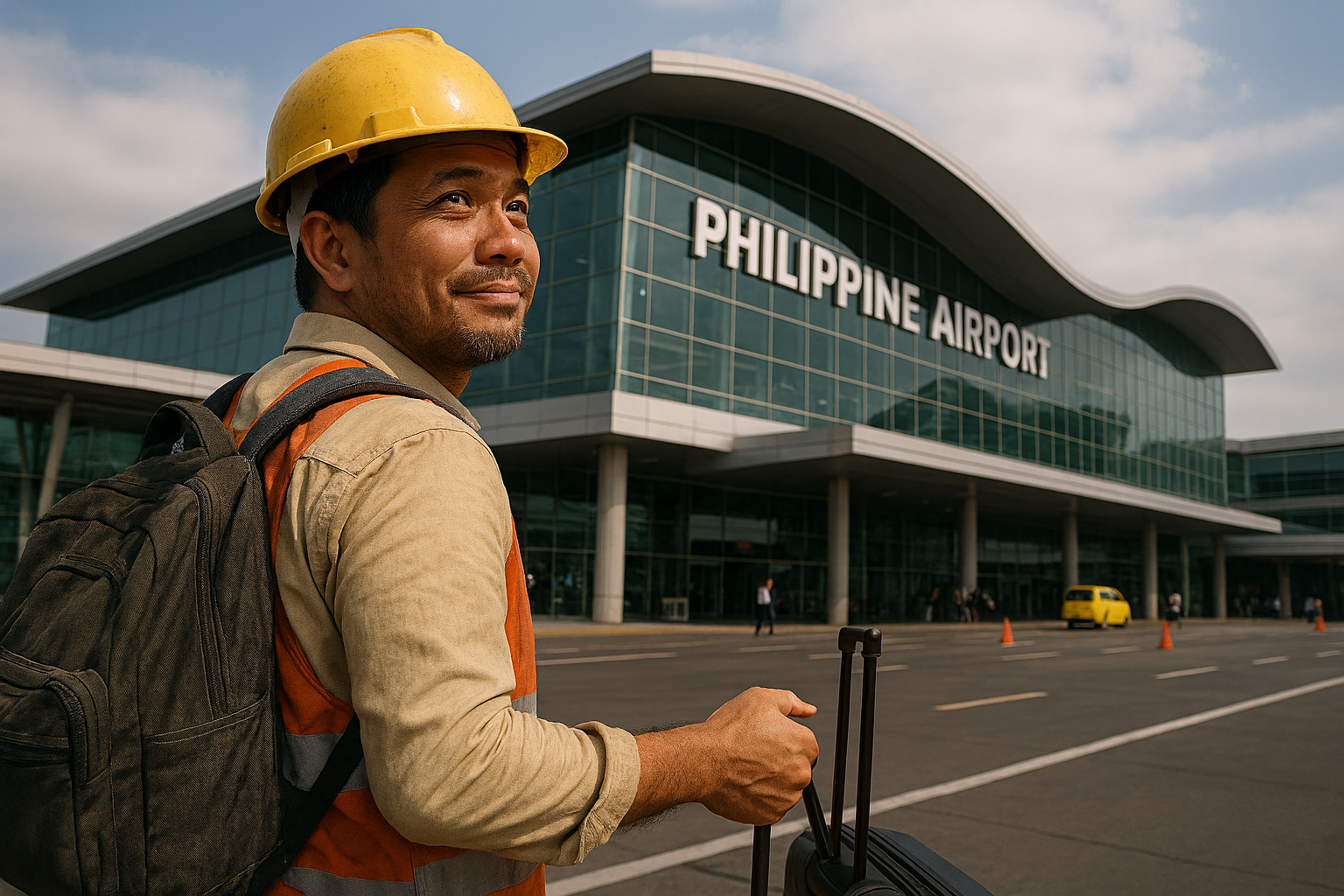
 [ Ang common misconception ay madaling masaktan (emotionally sensitive) ang mga Pinoy sa New Zealand workplace, at ang mga local at ibang lahi ay di masyado. I don’t think this is always true. Thanks for reading! ]
UNTIL RECENTLY IN NEW ZEALAND I used to work with someone who used to be bullied at work (but not in my workplace). It took him a little longer to learn things, and he wasn’t the best in communicating things, and understandably he wasn’t a typically sociable person.
The problem was , because he became paranoid about being bullied, and often questioned assessments about his work quality as he believed he was unfairly targeted (he probably was, but no longer by the time we worked together), he had reached a point where even those who supported him, including his direct supervisor, had a hard time justifying their support. He was turning people off. Sometimes it actually seemed he was the bully, when he asserted himself and threatened a personal grievance (a legal tool against management which in this case would ultimately go nowhere, but the trouble wasn’t worth it). It had become an uncomfortable situation, to say the least.
The irony of the situation was, looking back, that we had to understand him first as a bullied person and secondly as an unlikely bully, for lack of a better term. We had to understand that the different way he perceived himself from many others; how the trauma from past instances had affected him; and his inability to cope with different personalities at work, all combined to create the awkwardness around us.
In the end, it was too much work for all of us. He didn’t do himself any favors, and before he was invited to too many disciplinary meetings, he took the easy way out and resigned. Or at least he was given the option, let’s give him that at least.
***** ***** *****
But the story doesn’t end neatly tied up in a forgotten folder at the bottom of the filing cabinet, else it wouldn’t be a good story. A few months after he left work, Dale (itago natin sa pangalang Dale) emailed one of the guys who he liked the least (I’m being diplomatic here) using an email account he deleted / deactivated as soon as he sent it, made sure, Snapchat style that the text of the email would dissolve / disappear and be unreplyable, if there was such a term, and to just to make it more confusing (though no one doubted it was him), translated his email into an unknown language and Google-translated it back to English. The email shown below is certainly a piece of oddity:
How are you mate? I’m laughing why. It’s been almost 20 years since I was in the tools. So glad I am not running that boring stupid machine and having people run me down in that dump with unfriendly horrible people. Now working in a engineering job LOL.
[the only reason this was saved by the way was the quick thinking of the recipient, who screen-grabbed the message. ]
***** ***** *****
I won’t try to interpret, translate or give context to the above, just that the people he clashed with the most were engineers who he insisted fix his machine frequently, when all that was needed was a few adjustments he could’ve made himself. He tried to show he was just as good as the engineers he didn’t like (in our workplace), by saying he was himself in the engineering department of his new employer. Hmm.
It took him a while, and he was still careful NOT to be responded to, but our departed workmate made sure he had the last word, long after he had left, and in his narrow perspective he always did his best, was always misunderstood, and was seldom given the benefit of the doubt. Not surprising, as don’t most of us do the same?
I just wanted to show you kabayan and friends that it’s just not us Filipinos and Asians who are traditionally prickly and sensitive when it comes to work situations. Our hosts and peers (New Zealanders and others) are just as pigsain (tender) and we should all be mindful of the feelings of our colleagues. Always.
[ Ang common misconception ay madaling masaktan (emotionally sensitive) ang mga Pinoy sa New Zealand workplace, at ang mga local at ibang lahi ay di masyado. I don’t think this is always true. Thanks for reading! ]
UNTIL RECENTLY IN NEW ZEALAND I used to work with someone who used to be bullied at work (but not in my workplace). It took him a little longer to learn things, and he wasn’t the best in communicating things, and understandably he wasn’t a typically sociable person.
The problem was , because he became paranoid about being bullied, and often questioned assessments about his work quality as he believed he was unfairly targeted (he probably was, but no longer by the time we worked together), he had reached a point where even those who supported him, including his direct supervisor, had a hard time justifying their support. He was turning people off. Sometimes it actually seemed he was the bully, when he asserted himself and threatened a personal grievance (a legal tool against management which in this case would ultimately go nowhere, but the trouble wasn’t worth it). It had become an uncomfortable situation, to say the least.
The irony of the situation was, looking back, that we had to understand him first as a bullied person and secondly as an unlikely bully, for lack of a better term. We had to understand that the different way he perceived himself from many others; how the trauma from past instances had affected him; and his inability to cope with different personalities at work, all combined to create the awkwardness around us.
In the end, it was too much work for all of us. He didn’t do himself any favors, and before he was invited to too many disciplinary meetings, he took the easy way out and resigned. Or at least he was given the option, let’s give him that at least.
***** ***** *****
But the story doesn’t end neatly tied up in a forgotten folder at the bottom of the filing cabinet, else it wouldn’t be a good story. A few months after he left work, Dale (itago natin sa pangalang Dale) emailed one of the guys who he liked the least (I’m being diplomatic here) using an email account he deleted / deactivated as soon as he sent it, made sure, Snapchat style that the text of the email would dissolve / disappear and be unreplyable, if there was such a term, and to just to make it more confusing (though no one doubted it was him), translated his email into an unknown language and Google-translated it back to English. The email shown below is certainly a piece of oddity:
How are you mate? I’m laughing why. It’s been almost 20 years since I was in the tools. So glad I am not running that boring stupid machine and having people run me down in that dump with unfriendly horrible people. Now working in a engineering job LOL.
[the only reason this was saved by the way was the quick thinking of the recipient, who screen-grabbed the message. ]
***** ***** *****
I won’t try to interpret, translate or give context to the above, just that the people he clashed with the most were engineers who he insisted fix his machine frequently, when all that was needed was a few adjustments he could’ve made himself. He tried to show he was just as good as the engineers he didn’t like (in our workplace), by saying he was himself in the engineering department of his new employer. Hmm.
It took him a while, and he was still careful NOT to be responded to, but our departed workmate made sure he had the last word, long after he had left, and in his narrow perspective he always did his best, was always misunderstood, and was seldom given the benefit of the doubt. Not surprising, as don’t most of us do the same?
I just wanted to show you kabayan and friends that it’s just not us Filipinos and Asians who are traditionally prickly and sensitive when it comes to work situations. Our hosts and peers (New Zealanders and others) are just as pigsain (tender) and we should all be mindful of the feelings of our colleagues. Always.
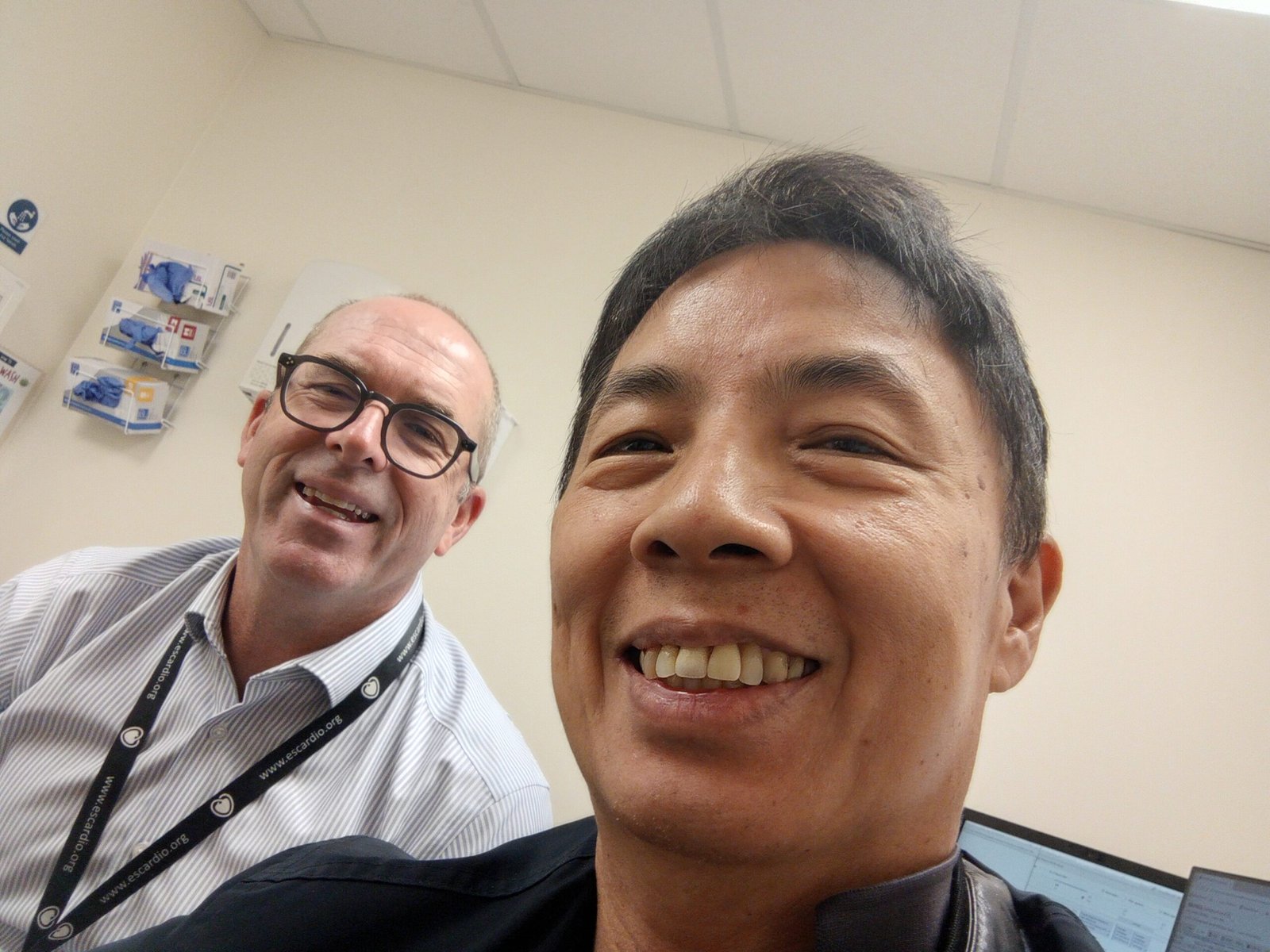
how i made my cardiologist blush so early in the am
20 MINUTES EARLY FOR THE POST-echocardiogram appointment. thank you, traffic-avoiding GPS. To help the cardiologist analyze me, a nurse takes…