
[ this is the original version of a story published in Filipino Migrant News, with thanks and acknowledgment to Mel and Sheila Fernandez. All the errors and opinions are the blogger’s, thanks for reading! ]
IMAGINE STUDYING and training four-plus years for your trade or profession. Following this, a practicum or practical section of your education lasting at least six months, followed by preparation for your national board certification exams for at least three to four months.
You serve your country a while to show your gratitude, then you start the process of paying back everyone who paid for your expenses, not to mention your comfort and convenience. You also start thinking of your future, and select from a few countries where you will reap the greatest rewards from your newly-minted skills and experience.
***** ***** *****
One such country is relatively peaceful, clean and pays a handsome wage for people who have your skillset. It’s a good place to raise your future children, and you wouldn’t mind bringing your extended family there too.
The only catch: you have to “top up” or augment your skills a little, to adjust to the health systems and culture of the place, after which you’re deemed fit to practice your skills and career, as if you were practicing in the Philippines. Your immigration adviser says it’s but a formality, a six-week training course that you’re certain to breeze through.
Because of all the assurances and the fact that indeed, the additional training Program is something most if not all of your future colleagues pass with flying colours, after some initial hesitation you agree to everything your immigration adviser suggests, noting that you will travel not on a work visa as you initially assumed but a student visa because of the “top up” situation. A mere bump in the road, you are told.
***** ***** *****
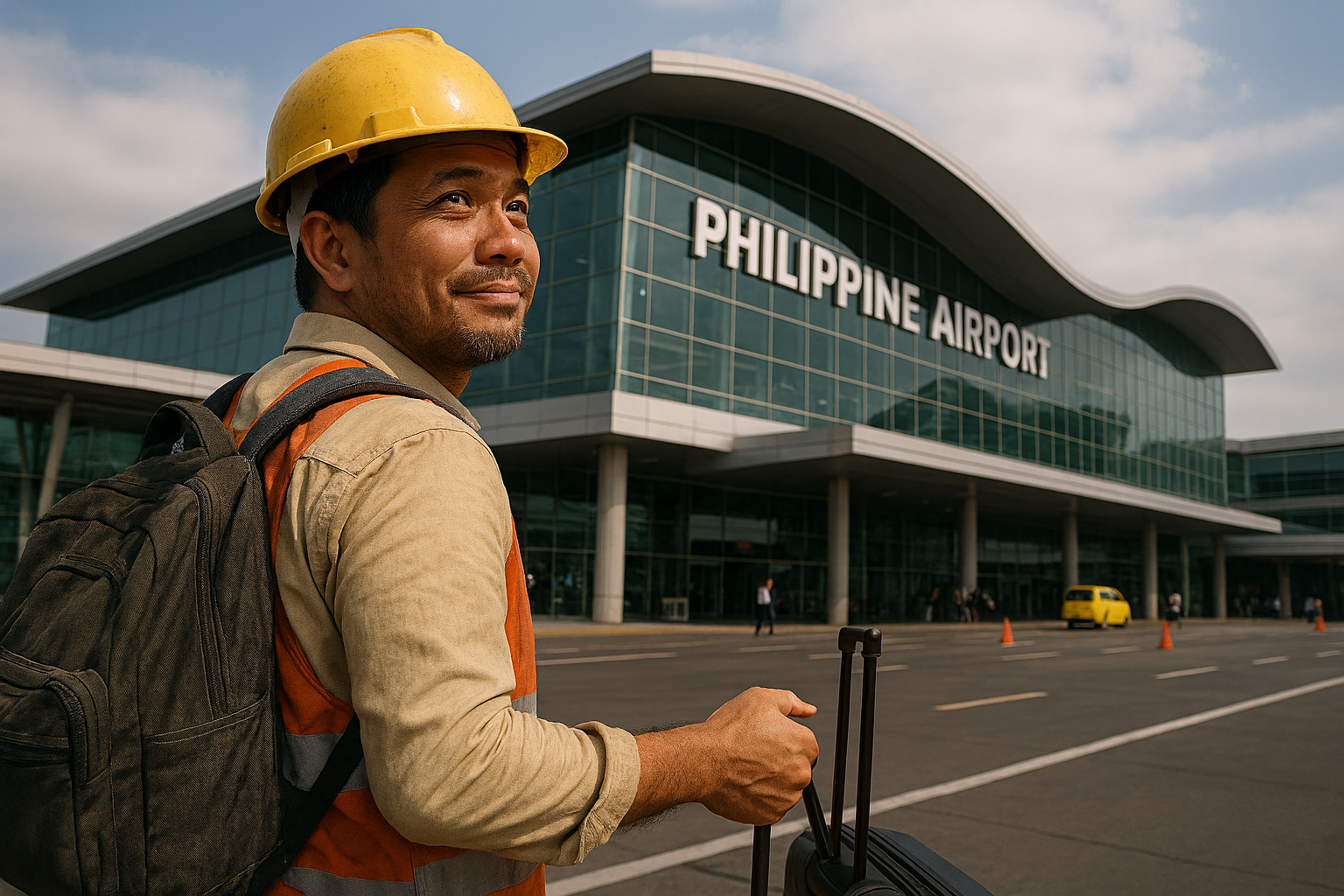
This mere bump in the road, a triviality you were told, becomes a major hassle at the airport, where a junior-looking and rather overzealous pair of immigration officers scan your travel documents and inform you that you cannot travel to work if you are travelling on a student visa.
That hundreds of your colleagues have gone on before you on the exact same arrangement is not important to these immigration officers. The letter of the law must be followed, and you cannot be allowed to board your flight.
If not for the intervention of the embassy of your destination country, which communicated in the clearest terms that they posed no objection to you entering their territory on a student visa, regardless of your future intentions, you wouldn’t have been able to leave.
***** ***** *****
It sounds like a horror story for many of our skilled OFW kabayan where we are, not just in New Zealand. But it has happened recently, and only because legal details have not been hammered out between the country sending workers, and the country employing them.
Everyone knows Filipino nurses make up the largest non-Kiwi ethnic group in NZ, are popular for their efficiency, professionalism and personal touch . Everyone knows the CAP or Competency Assessment Program is merely a device to make our nurses’ adjustment process easier.
And everyone knows that, barring unforeseen circumstances or an act of God, Filipina nurses will continue sailing for New Zealand shores where their skills will always be in high demand, and where the Pinoy dream of comfort, free from poverty and pollution, is very achievable.
***** ***** *****
The issue is neither the need to serve the motherland first, or the right to a livelihood, without which survival wouldn’t be possible.
There will always be nurses to serve and attend to our sick in the Philippines, says a community leader in Auckland who chose to remain unnamed. It doesn’t make sense to stop nurses going overseas just because of the pandemic, and it’s poor policy anyway.
Neither is the issue the freedom to livelihood or the right to earn a living. According to Filipino officials, the legal framework just needs to be corrected and adjusted to the way nurses are engaged to work in New Zealand.
The question is, why has this situation been prevailing for so long? Why have nurses been allowed all this time to come to work under the current arrangement, and suddenly not been allowed? Why are the rules not been applied consistently?
The only constant here is that whatever action or inaction that takes place is being done at our Filipino nurses’ expense.