alin ang naiiba? the subtle differences of migrants vs OFWs
Noel Bautista
23/02/2019
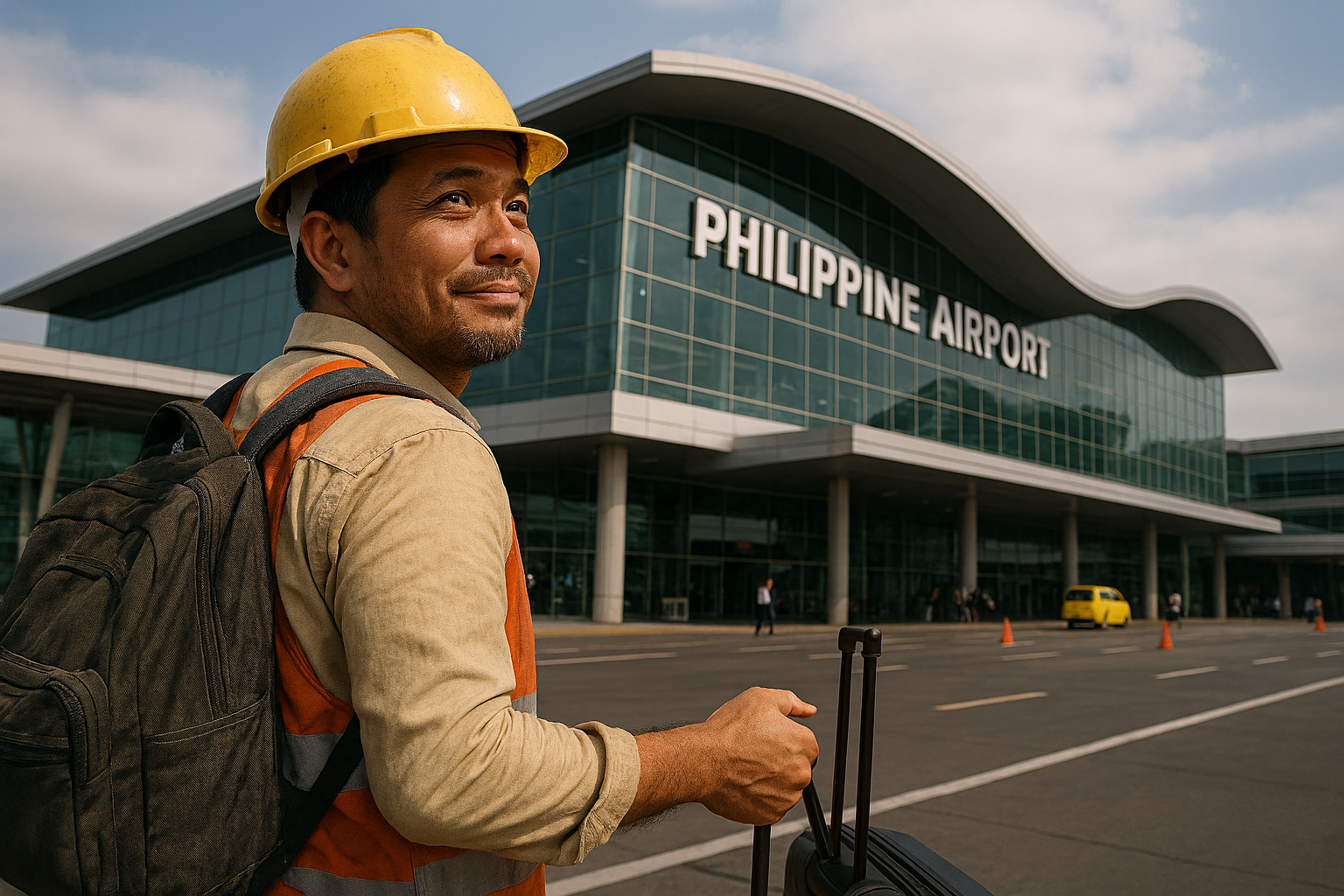
Many times, an OFW is just a migrant-in-waiting.LET’S ADMIT IT: probably three-quarters of all Filipinos travelling anywhere in the world at this very moment are Overseas Filipino Workers (OFWs) temporarily working and residing abroad, earning foreign exchange and wages in jobs they otherwise would not find back home.
On the other hand, most of the remaining quarter IMHO (in my honest opinion) are migrants who have transplanted themselves in second homes without losing sight of their original motherland. They frequently and regularly go back to their respective hometowns across LuzViMin (Luzon, Visayas and Mindanao island groups), continue to send money home to immediate and extended family, some even taking advantage of the new Philippine law recognizing and giving dual citizenships to our kababayan (countrymen). These are the true balikbayan who profess their love for our country again and again.
On the surface you won’t see much difference between those described in the first and second paragraphs above, respectively. We are all lahing kayumanggi (brown race), share identical features on the average, height, hair color, skin color, and non-Filipinos would find it nearly impossible to distinguish between OFW and migrants. And we all know that a member of one group can easily shift into the other.
But there are subtle differences. And these differences are best spotted during the time both groups are travelling, and by nature because air travel is the great equalizer, OFWs and migrants seen together in one aircraft can be distinguished. It’s not easy and takes a little practice, but after awhile you see the clues and cues and ask yourself why didn’t I notice these before?General demeanor.Because I’m an OFW, a lot of my observations regarding OFWs are relatable to my own. I may be subjective and therefore biased, but that’s just the way it is. I therefore confirm my own behavior when I see others in similar situations. For example, OFWs travelling can never be truly relaxed. They are either on their way from work, or going back to work. There is no in-between.
Therefore, they are always thinking residually of work situations left behind, or readying themselves to get back to the grind. Ganon talaga; and you can see it in the way they carry themselves. They appear to be lost in thought always, sleep fitfully during long-haul flights, and generally appear more stressed than any other set of travelers.
Migrants have long since passed the stressful phase, having become citizens of desirable country destinations. They just look forward to reunions with family and friends, with the unspoken humblebrag of reaping the ultimate benefits of a First World passport as a reward for years of sacrifice. They almost always carry with them disposable income saved up precisely for the purpose of a long vacay filled with much-deserved merrymaking, piling up weeks and weeks’ worth of leave. They leave with the blessings of their employer, having earned trust and confidence of the latter. So these are the kabayan passengers who fall asleep literally minutes after takeoff, take the time to converse with fellow passengers with little or no inhibitions whatsoever, and are seasoned travelers accustomed to every scenario.
Clothes and shoes. accessories. This is a bit more complicated. Pinoys love to dress themselves up, male or female, but because I’m male, I’m obviously more familiar with my gender. But general observations are made here. Both OFWs and migrants are eager to show they’ve arrived literally and figuratively, by using branded and signature clothing, shoes and accessories.
The slight difference is OFWs are a bit overeager to show off, I say this without casting any negative qualities to my brother (and sister) workers: they have had disposable income for a somewhat shorter period, and are subject to a little more uncertainty regarding job and finances than their migrant counterparts. So the choice and fashion sense is affected a result.
OFWs still spend on their clothing etc, but sometimes the concern is more with the label and trendiness than overall look and fashion sense. As long as naka-Nike na or orig ang mga suot, kahit di na bagay minsan , ayos nang suotin sa byahe.
Like many other Pinoys, migrants still dress well, but ironically dress down when they come home. They don’t want to dress the way they do in the USA, Canada, or Australia. They want to blend in, being brand-conscious or trendy is no longer a priority for them.
[Note: I am as guilty of this as the next guy, eager to show that I keep up with current trends, little realizing that I am just an old man trying vainly to look young, with laughable results. So I say this as a commentary on myself as well as on peers and countrymen.]
Attitude. This is the pure opinion section of the blog, and so please feel free to attack the following opinion/s with as much vigor as possible, as long as it’s respectful and observant of online etiquette: being an OFW is part of continuing stream of consciousness about so many things: doing well on your current contract, keeping two households across the seas well-fed and happy; keeping everything organized and on schedule on vacation; treating all the different groups of family, friends and contemporaries to keep up with appearances; transitioning effortlessly back to the job, and doing well enough to secure a new contract. Unlike Jayson Tatum or Ben Simmons where you just need one and a half good seasons to get that max contract, for the OFW everyyear is a contract renegotiation year, and you’re only as good as this year’s performance; you can’t get caught napping.
Things like this occupy the OFW’s mind all the time. If you were in his/her shoes, would you have much peace of mind, whether on vacation or not? That’s right, you never stop thinking. And that’s why the OFW is always stressed, always thinking, always in a constant state of mental planning, adjustment and readjustment.
The migrant’s state of mind? Not so much. Vacation time is vacation time. The big step of planting the foot in the land of promise (and keeping it there) has been made, everything from hereon is a bonus. Everything is a balance between sending the message that the migrant has arrived in the land of I-am-a-migrant-now on the one hand, and not being a show-off or hambog (arrogant) before the eyes of the guys you left back in the Philippines, on the other. And part of the balance is keeping it real, keeping your composure, and not overdoing anything, from purchases, partying to putting your personal stamp on the extended family’s festivities.
*************** *************** ***************
I hope I haven’t been too detailed or personal in my narration of the differences between OFW and migrant. After all, it’s a very thin line separating the two, practically nothing. To the extent of some even saying that the OFW is just a migrant-in-waiting. (if possible, please add your own observed differences based on experience.)
But it’s a long, uncertain wait, and if you look hard enough, you see the differences.
Thanks for reading, mabuhay po tayong lahat!
https://youtu.be/NtQnRpVg7WY?si=Vf-OqEWx94LW-V6c IN MY TIME AS New Zealand migrant and OFW (overseas Filipino worker), I’ve had nine-ish landlords. Only one of…