[ Note : We use mahiyain not as “shy” as it’s often translated but more as “timid” or “subdued” and “deferential”. Thanks for reading! ]
KABAYAN, HOW OFTEN HAVE you done the following: (1) refused to ask any more questions for further explanation, after something complicated was explained to you? (2) keep silent after a dinner served to you wasn’t great, even after the waiter asked for feedback? (3) wait more than half an hour at the doctor or dentist, despite you being early for your appointment and despite someone getting in ahead of you (and obviously late for their own appointment)?
If you’re a Filipino and you said yes to one or more of these situations I’m not surprised, because I’m no different. in fact, each of the above situations has happened to me multiple times, and while I blame myself, I know I’m not alone and my situation isn’t unique.
the short explanation? Nine times out of ten Filipinos will default to whatever the situation is and accept what is given, I could be wrong but we’ve seen throughout my long years as a child, an adolescent, a young dad, an OFW and finally as a migrant.
There could of course be many reasons, not just peculiar to Filipinos but it happens a lot with us.
Colonial subject of multiple empires. As a territory on the outer reaches of the Chinese Empire prior to Spanish conquest, the Philippines absorbed Chinese cultural influences, among which was teachings from the great philosopher-teacher Confucius. One of the greatest pillars of Confucian philosophy is the hierarchy of obedience putting the state above self and family. This means your highest value regardless of love or religion is the central authority. This may translate to modern times as assuming that the government, as representing the state, is nearly always correct.
But Filipinos continued this tradition of bowing to government (at the expense of free will) even when it became a colony of the Spanish Empire, which at the time was a global power. Things evolved to obeying the laws of a democracy as a member of the American Commonwealth (an empire with a PC sounding name), but by then it became second nature to place one’s own choices and religious values below the laws of the state, represented by a popularly elected government.
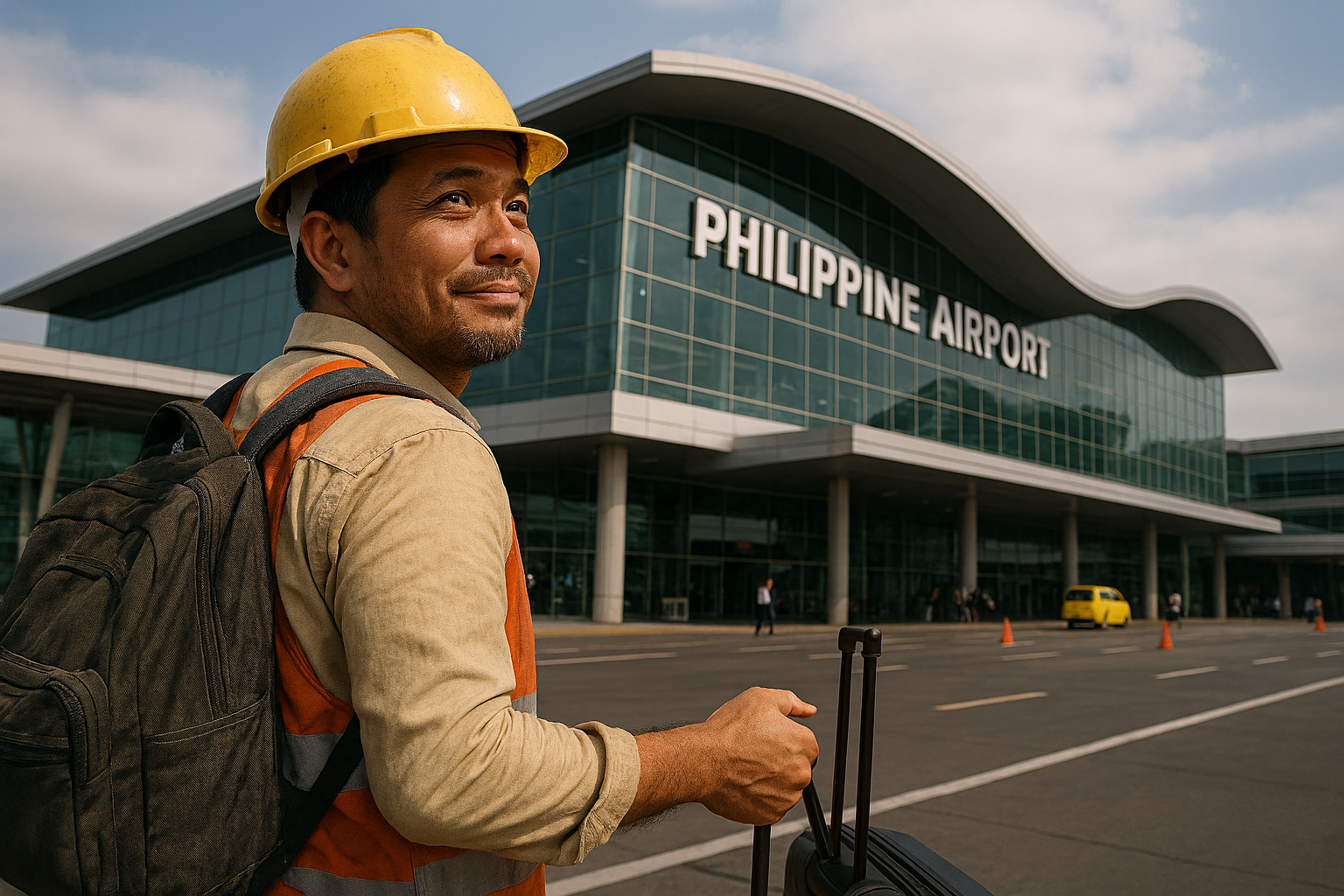
Today, unless it’s a matter of life and death, an OFW will always assume that the order and instruction coming from a person or office claiming to have authority is lawful and will not raise much of a protest, in almost any situation. Old habits die hard.
Visitor giving way to hosts. Then there’s the nearly universal notion of “when in Rome, do as the Romans do”, which is just a better of saying a visitor should always respect the home of his hosts by doing what is done. As a sign of respect, we take off our slippers (or sandals) upon entry of a home not ours or never criticize the hosts’ provision of a meal or refreshments. On a bigger scale, the guest worker or OFW will as a rule respect the laws of whatever country he is in and do his or her best not to embarrass his own country or even complain when the laws of the host country are sometimes different or even unfair to Filipinos.
This is why you sometimes wonder why at the hands of employer abuse in countries all over the world, OFWs suffer so long before the abuse is discovered. New Zealand as a whole is a law-abiding and compassionate host when it comes to labor laws, but the exceptions can still be horrible at times. Many times, OFWs have kept quiet, fearing that they themselves may be accused of being lawbreakers and then sent home. Employers take advantage of this reluctance to speak out and abuse our workers. Not all the time, but it happens.
Human nature. Nine times out of ten we listen to authority. Nearly all the time when someone tells us something is correctly done and every rule was observed our tendency is to believe. And when we are given a reasonable excuse we hardly question it, especially when we are in unfamiliar surroundings. Call it a trusting nature, a fear of upsetting the apple cart or disturb the status quo, or a preference not to appear “difficult” or argumentative: we would rather not be too blunt or straightforward, especially when it would potentially start an argument. It’s not Filipino, Asian or even wanting to get along.
Because we’re Pinoys, and because we’re OFWs, it just seems that it happens more often or even most often with us.
in this case, we’re no different from everyone else, other migrants included.
Thanks for reading, mabuhay!